
Knowledge Base
Claims of fact assert what is true.

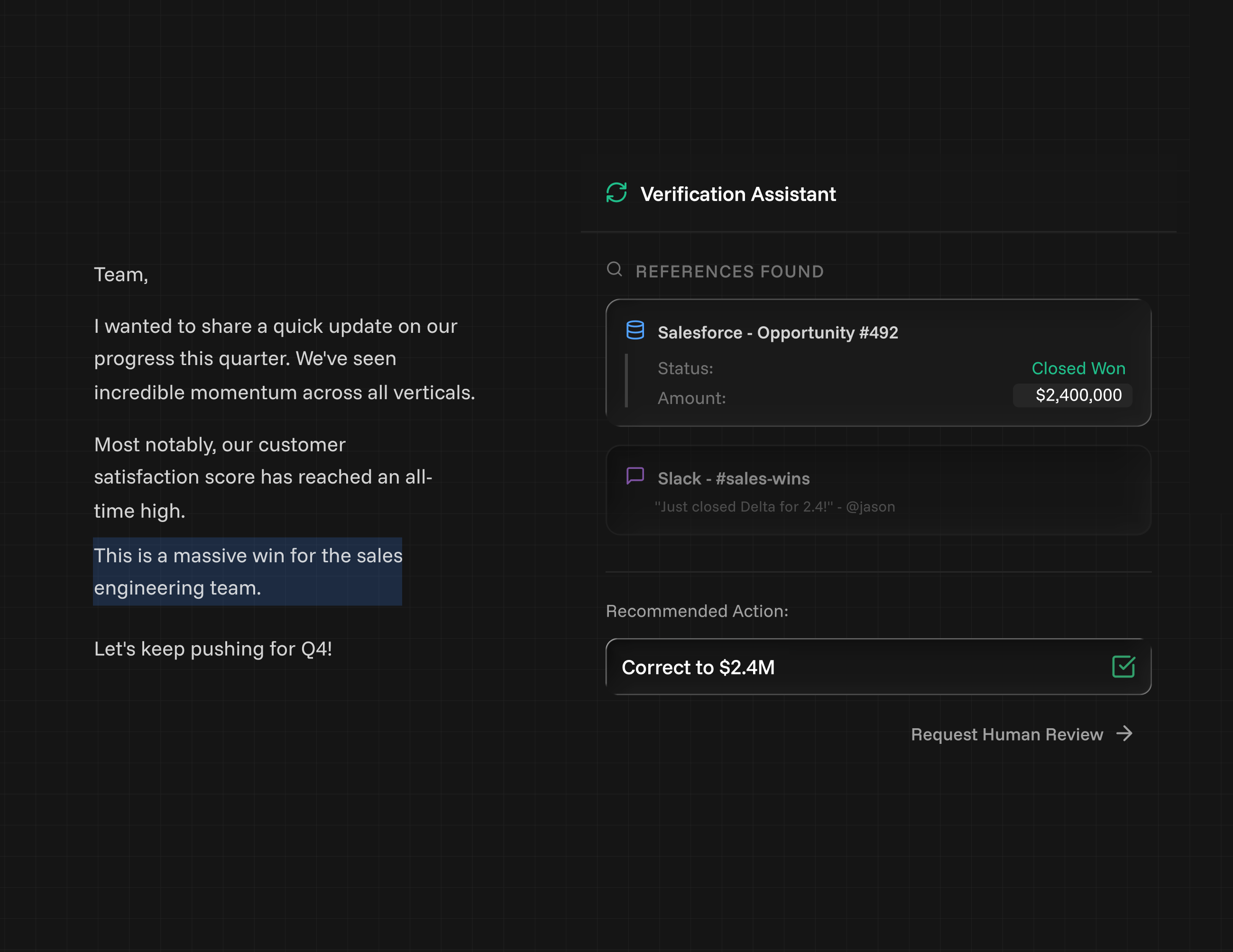
Detect claims of fact and verify them against reliable sources, with the supporting links kept close at hand.
Keep track of what everyone is saying and build systems that empower you to update your assumptions as the narrative plays out.

Verification that fits into your workflow.
Fact checking often happens too late, after a message is already out, or not at all because it feels slow and manual.
thinkwell™ makes verification part of intake and drafting, so it happens at the right moment.
Connect your sources, flag what needs verification, and let thinkwell™ gather references, highlight disputed claims, and flag the item to the right owner before it becomes a problem.

Turn facts into decisions that stick.
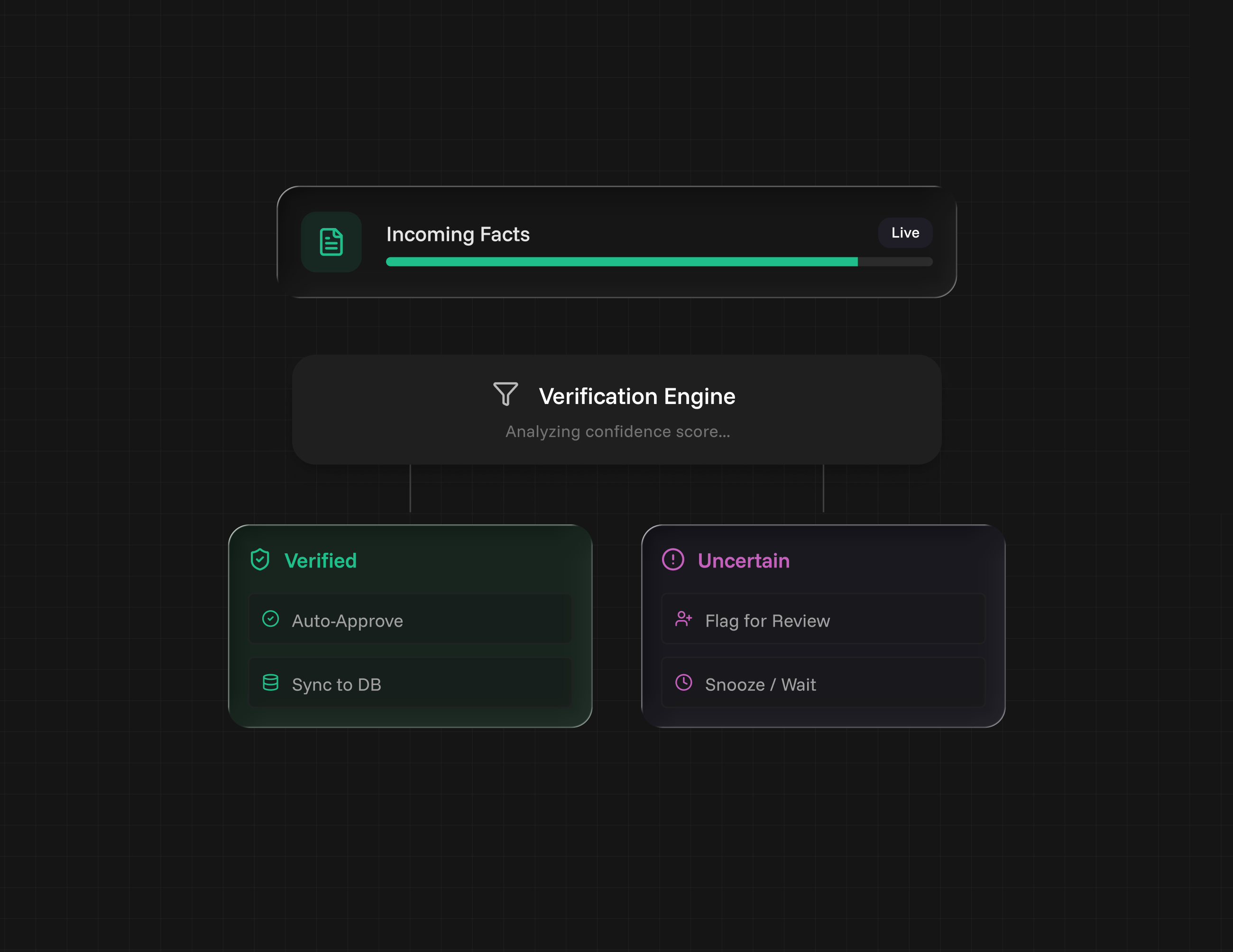
Facts are only useful if they change what you do.
thinkwell™ connects verification to routing, approvals, and scheduling so the outcome is not a note, it is a next step.
When something is confirmed, it can move forward. When something is uncertain, it can slow down, request review, or flag to a specialist. This is how teams stay fast and careful at the same time.

Evidence you can actually use later.
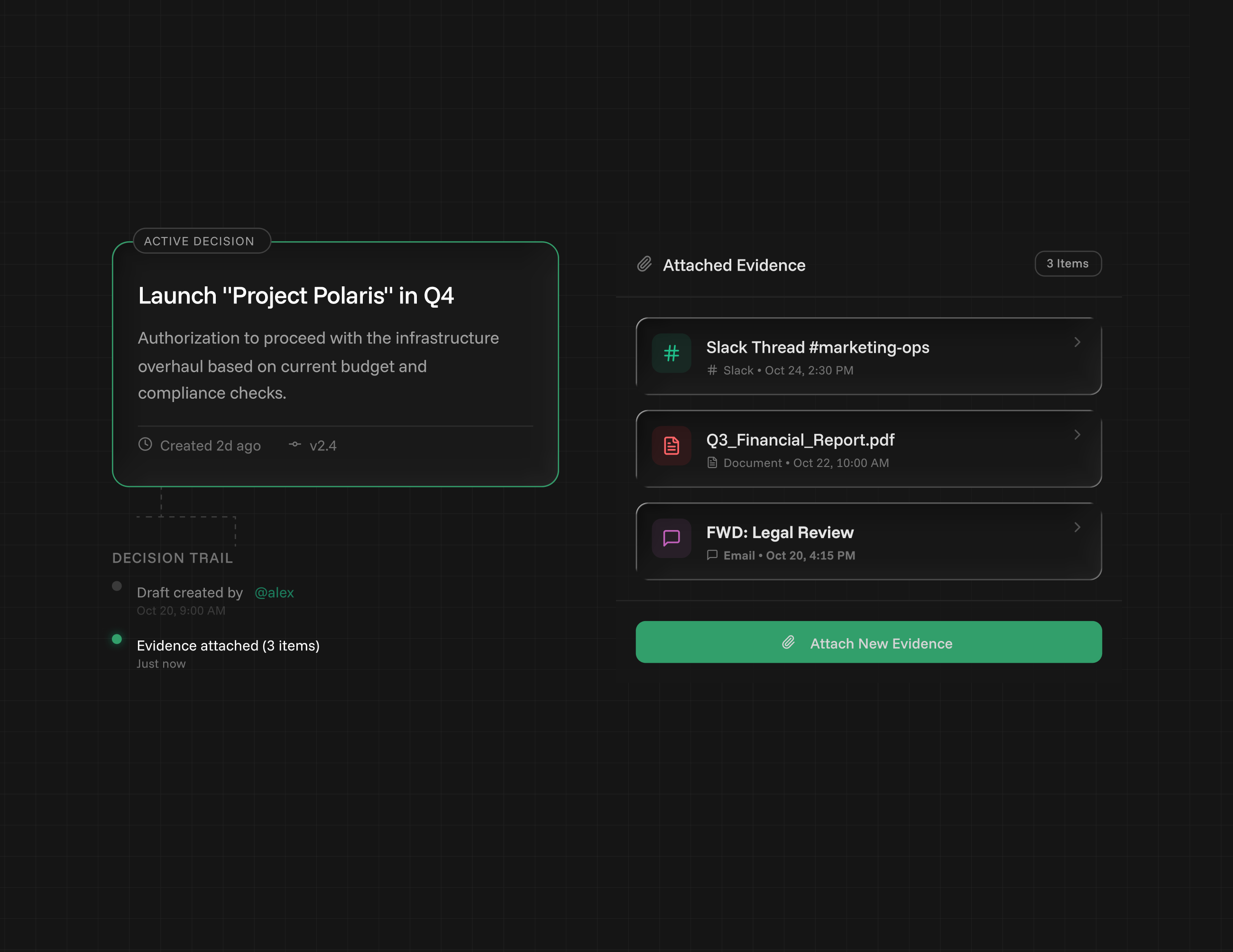
Evidence is fragile when it lives in screenshots, half remembered threads, and one person's head.
thinkwell™ stores evidence in context, tied to the claim it supports and the decision it influenced.
Later, when the same question comes back, you are not starting over. You can see what you used, why it mattered, and what you decided.

Statistics that answer practical questions.
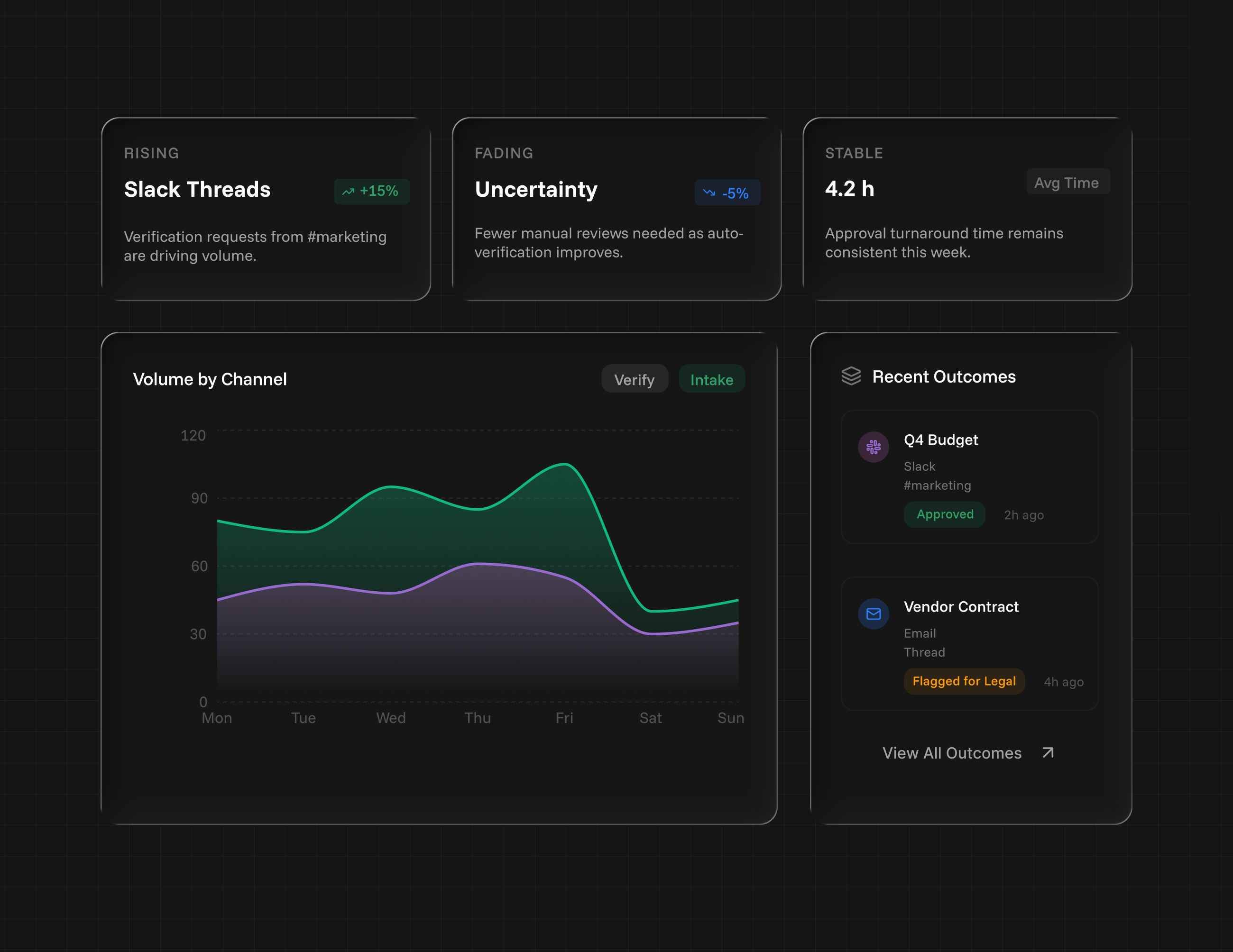
Most teams do not need complex math. They need simple answers to repeat questions: what is rising, what is fading, what is stable, and what is driving workload.
thinkwell™ tracks these patterns as a normal part of the workflow, so you do not have to rebuild reports every week.
When something changes, you can see where it came from and what to do next.

Track what moved outcomes, with context attached.
Teams often confuse correlation with causation, especially when moving fast.
thinkwell™ helps you separate 'this happened near that' from 'this likely drove that,' using consistent comparisons and recorded conditions.
It will not pretend to prove the unprovable. Instead, it helps you form better tests, track what changed, and learn what tends to drive outcomes over time.
We'll walk through a real example from your world and show how thinkwell™ can help.